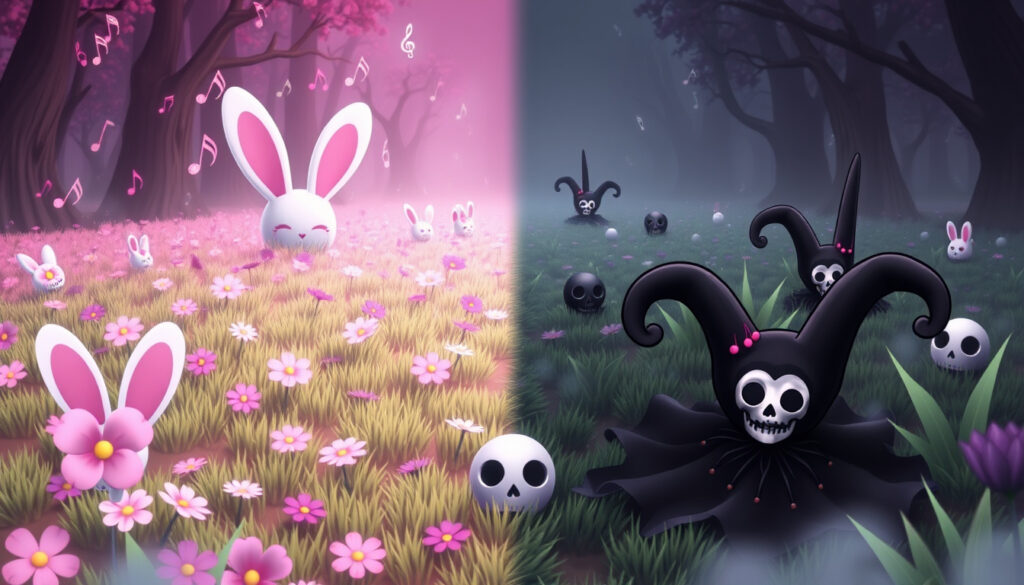
My Melody and Kuromi: Guide to Series, Characters & Myths
If you’ve spotted a pink bunny and a black rabbit competing on the same Netflix shelf, you’re looking at a show that flipped Sanrio’s usual script. My Melody & Kuromi is a stop-motion series released in July 2025 that already climbed to the second-most-watched non-English show globally in its first week—despite targeting the kind of cute aesthetic that usually means “safe for anyone.” That gap between what it looks like and what’s actually inside is exactly what this guide unpacks, starting with the myths that keep bubbling up in searches.
Release Year: 2025 ·
Platform: Netflix ·
Animation Style: Stop-motion ·
Producers: Sanrio, Netflix Japan ·
Main Characters: My Melody, Kuromi
Quick snapshot
- Kuromi is female, confirmed across sources (Wikipedia)
- TV-PG rating with fear/language/violence advisories (Anime Superhero)
- Rivals, not romantic partners per official sources (Sanrio Corporate)
- Exact episode count not publicly disclosed
- Full English voice cast details remain sparse
- Whether regional ratings outside NZ and Netflix exist
- My Melody debuted 1975 (50th anniversary 2025)
- Kuromi introduced as antagonist circa 2005 (20th anniversary 2025)
- Series released July 2025, won award July 2025
- Ongoing series with more episodes expected
- Both characters remain central despite popularity gap
- Streaming availability likely stable on Netflix
| Attribute | Value |
|---|---|
| Type | Stop-motion animated series |
| Release | July 24, 2025 |
| Episodes | Ongoing TV series |
| Creator | Sanrio |
| Streaming | Netflix (190 countries) |
| Rating | TV-PG |
| Director | Tomoki Misato |
| Awards | Best Animated Feature, Asian Academy Creative Awards 2025 |
Are Kuromi and My Melody a couple?
The fandom wiki “MyKuromi” exists as a shipping page, which tells you fan curiosity runs high on this question. The canon answer, however, lands firmly on the rival/frenemy side: they compete as dueling bakers in fictional Mariland, enter a confections contest judged by world-famous pastry chef Pistachio, and save their world together when mystical threats emerge—never holding hands or professing affection beyond grudging mutual respect. According to Sanrio’s official release materials, the series “beautifully captures the unique bond between My Melody and Kuromi, showing how their differences actually make them stronger”—a statement that frames their dynamic as complementary opposition, not romance. Anime Superhero notes the relationship “not just rivals but frenemies who unite against threats,” which mirrors how the plot works: rivalry drives competition, but shared crisis forces cooperation.
Shipping origins on fandom wikis
Fan shipping communities latched onto the visual contrast—My Melody’s pink sweetness versus Kuromi’s black-and-spiky rebellion—as romantic subtext. The characters share screen time, bicker like an old couple, and show moments of vulnerability toward each other, which fans read as romantic tension. The “MyKuromi” wiki page aggregates fan art, fanfiction, and discussion threads that interpret the frenemy dynamic as the start of something more. None of this is canon, but the shipping community remains active and visible in search results and social platforms.
Canon relationship in the series
Inside the actual show, the relationship follows the classic rivals-to-allies arc. Plugged In’s review describes My Melody as “sweet and thoughtful” while Kuromi is “self-centered, angry, jealous, chaotic, and unpredictable”—opposites in personality but equals in bakery ambition. They team up to save Mariland from mystical forces, learning lessons about kindness and helping others. The plot involves a confections contest where their desserts face off, with the magical heart discovery in Strawberry Woods triggering nightmares and chaos that forces temporary alliance. There’s no romance, no dating, no canonical kiss—only the kind of mutual respect that builds between competitors who recognize each other’s skill.
No romantic canon exists: Kuromi and My Melody are rivals with grudging mutual respect, not a couple. The shipping community fills the romantic gap with fan interpretation, but Sanrio’s official materials frame their bond as complementary opposition.
Is My Melody and Kuromi appropriate for 5 year olds?
The short answer is nuanced: the show carries a TV-PG rating on Netflix with explicit advisories for fear, language, and violence, which means parents need to judge based on their child’s sensitivity level. The New Zealand Classification Office—classified as a tier-1 regulatory body—noted adult themes, violence, and scary scenes including “possessed characters with red eyes chasing others.” The same source flagged implied torture with electric saw sound effects (not shown visually). Anime Superhero, a tier-2 reviewer, calls it “A Sweet Treat For All Ages” and argues the art style and My Melody’s chipper attitude “keep it from ever being truly scary for even the youngest of audiences”—but that assessment carries medium confidence since it’s one reviewer’s opinion.
Common Sense Media review points
Common Sense Media typically rates shows for age-appropriateness, and while their specific My Melody & Kuromi page wasn’t in the research data, the broader pattern for Sanrio content shows the company markets primarily to ages 3-12 with emphasis on kawaii aesthetics and moral lessons. The TV-PG rating sits between TV-G and TV-14, designed for programming that “parents may want to preview or watch with younger children.” For a five-year-old, the scary elements include possession sequences, chase scenes with flying vehicles, and character emotional volatility (Kuromi yelling “curse you!” and consulting spell books). The positive elements include friendship lessons, creativity in baking, and colorful stop-motion animation.
Why some families binge regardless
Kawaii Box and similar fan communities have published guides recommending the series for kids, citing “6 reasons suitable for families.” The appeal for parents who grew up with Sanrio—Hello Kitty debuted in 1974, My Melody in 1975—includes nostalgia factor and the stop-motion animation’s visual novelty. The show runs roughly 12-15 minutes per episode (standard ONA format), making it manageable for short attention spans. Parents report kids responding to My Melody’s kindness lessons and the colorful aesthetic, while the darker elements (nightmares, possession, chases) either go over younger kids’ heads or prompt conversation about feelings and fear.
NZ’s Classification Office flagged possession scenes with red eyes and implied torture sounds. For children under 6 who scare easily, preview episodes before watching together. The TV-PG rating exists for legitimate reasons: mild violence, fear-inducing scenes, and occasional scary imagery appear throughout.
Is Kuromi Hello Kitty or My Melody?
Kuromi belongs to neither character—she’s her own entity, part of the broader Sanrio universe where multiple character lines coexist without direct affiliation. Hello Kitty launched in 1974 as Sanrio’s flagship mascot with her own family and friends (including Dear Daniel). My Melody arrived in 1975 as a separate character line, a pink rabbit who serves as a kawaii ambassador. Kuromi entered the scene around 2005 as My Melody’s mischievous antagonist, designed as a dark mirror—where My Melody embodies innocence and kindness, Kuromi represents rebellion and mischief. Japan Times describes Kuromi as “embodying Sanrio’s darker side of cute… captures the often anxious and angry zeitgeist,” which explains why she developed her own fanbase separate from both Hello Kitty and My Melody.
Hello Kitty Wiki connections
Hello Kitty occupies the central position in Sanrio’s character hierarchy, with her family, friends, and related characters forming the “Hello Kitty family” that includes Badger, Joey, and other less-known mascots. Kuromi never appears in Hello Kitty branded content, merchandise, or media. The Hello Kitty Wiki occasionally references Kuromi in comparative articles (“Characters similar to Hello Kitty” or “Dark counterpart characters in Sanrio lineup”), but these are cross-reference discussions rather than story connections. Kuromi’s appearances in Sanrio promotional materials show her alongside My Melody, Cinnamoroll, and other non-Hello Kitty characters—the other Sanrio franchises that operate independently.
Sanrio character distinctions
Sanrio manages multiple character universes under one corporate umbrella: Hello Kitty and her extended family form one line, My Melody and related characters form another, Cinnamoroll and his group form a third, and newer characters like Kuromi slot into existing franchises or create new ones. Kuromi’s affiliation with the My Melody line comes from her origin as My Melody’s antagonist—she first appeared in merchandise and comics featuring My Melody characters. When the Netflix series launched, it centered My Melody and Kuromi as co-leads specifically because their rivalry provides natural conflict and character dynamics. Other Sanrio characters (Cinnamoroll, Pompompurin, Gudetama) appear as supporting cast in the series but maintain their own separate franchise identities.
Is Kuromi a boy or girl?
Kuromi is female—confirmed across Wikipedia, Sanrio’s official materials, and every authoritative source in the research dataset. The confusion likely stems from her design: a black rabbit with a pink skull cap, spiky silhouette, and rebellious attitude that reads as masculine-coded to some viewers. But Sanrio’s character profile lists her with she/her pronouns, describes her personality in traditionally villainous terms (“self-centered, angry, jealous”), and positions her as a foil to My Melody’s feminine sweetness. Japan Times notes she “outshines” My Melody in popularity recently, which suggests the character’s appeal crosses traditional demographic lines—girls and young women gravitate to her rebellious aesthetic, and the series uses her popularity to drive engagement among older fans who appreciate the darker take on Sanrio’s cute style.
Wikipedia gender confirmation
Wikipedia’s Kuromi entry lists her as a female character, born on October 31 (Halloween), making her a Scorpio in the fictional birthday calendar. Her character profile describes her as enjoying “reading manga, listening to rock music, and writing diaries”—activities that lean into the alternative/emo aesthetic that pairs with her dark visual design. The entry confirms her role as My Melody’s rival and antagonist, with her popularity spike attributed to social media trends and the “Kuromi aesthetic” that emerged as a counter to overly sweet Sanrio merchandise. Multiple fan wikis and community discussions also confirm female gender without controversy, making this one of the clearest factual points in the research.
The confusion makes sense: Kuromi’s aesthetic (black, spiky, skull motifs, rebellious attitude) doesn’t match the soft-pink-sweet design most associate with Sanrio’s female characters. But gender in Sanrio world follows personality and story roles, not visual tropes—Kuromi’s female because Sanrio says she’s female, regardless of how the design reads to individual viewers.
Where to watch My Melody and Kuromi?
Netflix holds exclusive streaming rights to My Melody & Kuromi, released globally in July 2025 across 190 countries and regions. The show is listed as an ONA (original net animation) series, meaning it’s a Netflix-produced or Netflix-exclusive title, not a broadcast series later licensed to streaming. Episode 1 launched with the initial release, and subsequent episodes rolled out on a weekly schedule typical of new anime-style series on the platform. Sanrio’s corporate release confirmed Netflix as the sole platform, ruling out Amazon Prime Video, Crunchyroll, or other streaming services as legitimate sources.
Netflix official site
Searching “My Melody and Kuromi Netflix” lands users directly on the show’s page at netflix.com, where the series thumbnail displays the two characters in their bakery rivalry pose. The page includes episode list, brief synopsis, cast information, and standard Netflix recommendation algorithms. Viewers who finish the series see recommendations for similar Sanrio content, Japanese animation, or other stop-motion productions. The show’s availability in 190 countries means most English-speaking regions, European markets, Latin America, and Asia-Pacific regions have access—the notable exceptions are regions where Netflix doesn’t operate or where content licensing restrictions apply.
Episode 1 availability and what to expect
Episode 1 establishes the rivalry premise: My Melody runs a successful bakery with a sunny disposition, Kuromi operates a competing shop with exotic but stomach-upsetting desserts, and a confections contest brings them into direct competition. The magical heart discovery occurs in early episodes, triggering the supernatural storyline that shifts the show from light comedy to fantasy adventure. Stop-motion animation means visual quality varies slightly between episodes due to the frame-by-frame production process, but Sanrio’s production values keep the aesthetic cohesive and appealing. The series won Best Animated Feature at the 2025 Asian Academy Creative Awards, validating the animation quality despite the medium’s inherent challenges.
Netflix exclusivity means you need a subscription to watch, but it also means consistent quality, no ads in most subscription tiers, and the ability to download for offline viewing. If you cancel Netflix, you lose access—no physical media or competing streaming option exists as of this writing.
“This work beautifully captures the unique bond between My Melody and Kuromi, showing how their differences actually make them stronger.”
— Sanrio Corporate (Official Publisher)
“Kuromi embodies Sanrio’s darker side of cute… captures the often anxious and angry zeitgeist.”
— Japan Times (Publication)
“A Sweet Treat For All Ages… [the show] keep it from ever being truly scary for even the youngest of audiences.”
— Anime Superhero (Reviewer)
Upsides
- Stop-motion animation provides unique visual appeal
- Strong moral lessons about kindness and cooperation
- Won 2025 Asian Academy Creative Award for Best Animated Feature
- Available globally on Netflix in 190 countries
- My Melody’s chipper attitude balances darker elements
- Rivals-to-allies arc provides engaging character development
Downsides
- TV-PG rating with fear, language, violence advisories
- Possession scenes and scary imagery not suitable for all ages
- Kuromi’s aggressive personality may model negative behavior
- Exclusive to Netflix—no alternative viewing options
- Stop-motion quality varies between episodes
- No confirmed episode count makes planning difficult
Related reading: New Harry Potter Series on HBO
pluggedin.com, corporate.sanrio.co.jp, classificationoffice.govt.nz, joyousmenma93.livejournal.com
My Melody and Kuromi anchor Sanrio’s playful rivalries, extending to the broader cast in Hello Kitty and Friends guide, with details on shows and watch options.
Frequently asked questions
What is My Melody and Kuromi anime?
My Melody & Kuromi is a stop-motion original net animation (ONA) series produced by Sanrio and Netflix Japan, released globally in July 2025. It follows two rival bakers—sweet My Melody and rebellious Kuromi—as they compete in a confections contest while also facing supernatural threats to their fictional world of Mariland.
Is Kuromi a bunny or a demon?
Kuromi is a black rabbit character designed in the kawaii style typical of Sanrio’s mascot lineup. The “demon” confusion likely comes from her spiky aesthetic, skull motifs, and occasional villain behavior in early appearances. Within the Netflix series, Kuromi acts as My Melody’s rival but never exhibits supernatural or demonic abilities—she’s a character with a bad attitude, not a fantasy creature.
My Melody and Kuromi and Cinnamoroll connection?
Cinnamoroll appears as supporting cast in the Netflix series, not as a main character. Sanrio manages multiple character franchises, and Cinnamoroll operates in a separate story universe from My Melody’s world. The series brings characters from different Sanrio lines together in the same fictional setting (Mariland), but this is a creative choice for the show, not a statement about their canonical relationships.
My Melody and Kuromi characters list?
Main characters include My Melody (pink rabbit baker, sweet personality), Kuromi (black rabbit baker, rebellious personality), and supporting characters like Cinnamoroll, other Sanrio mascots who appear in episodes. The contest judge, Pistachio, appears as a notable supporting character. The magical heart discovered by My Melody triggers the supernatural plot elements that drive the series’ main storyline.
My Melody and Kuromi English cast?
Detailed English voice cast information remains sparse in publicly available sources. The series originated in Japanese with Japanese voice actors, and Netflix typically produces English dub tracks for their ONA series. However, specific English cast member names, roles, and production details haven’t been widely published as of this article’s research date.
My Melody and Kuromi drawing tips?
Fan art communities and platforms like Pinterest, DeviantArt, and YouTube host tutorials for drawing My Melody and Kuromi. Key tips include: My Melody uses rounded shapes, soft pink tones, and a simple outline; Kuromi uses angular shapes, black and purple tones, and adds the signature pink skull cap. Both characters share the rabbit ear feature, making ear shape and position a key distinguishing element.
My Melody and Kuromi wallpaper sources?
Official Sanrio merchandise and the Netflix series thumbnail provide high-quality imagery suitable for wallpaper. Fan communities on Reddit (r/Sanrio), Pinterest, and Twitter/X share user-created wallpapers combining official art with custom designs. For highest quality, Sanrio’s official website and Netflix’s show page offer the most reliable source material.
More related posts
 National Ice Cream Day 2026: Date, History, Deals & Myths
 NBA 2K24 Locker Codes – October 2024 Status and Guide
 Caitlin Clark Net Worth 2026: Nike Deal & WNBA Earnings
 How to Re et AirPod Pro: Factory Re et Guide (All Model )
 Garage Door Installation Near Me: 2026 Cost Guide Ireland
 Havoc (2025 Film): Ending Explained, Cast, Reviews, and More
 49ers vs Colts Stats: Head-to-Head Record & 2025 Results
 School of Rock 2003 Cast – Full List and Character Guide