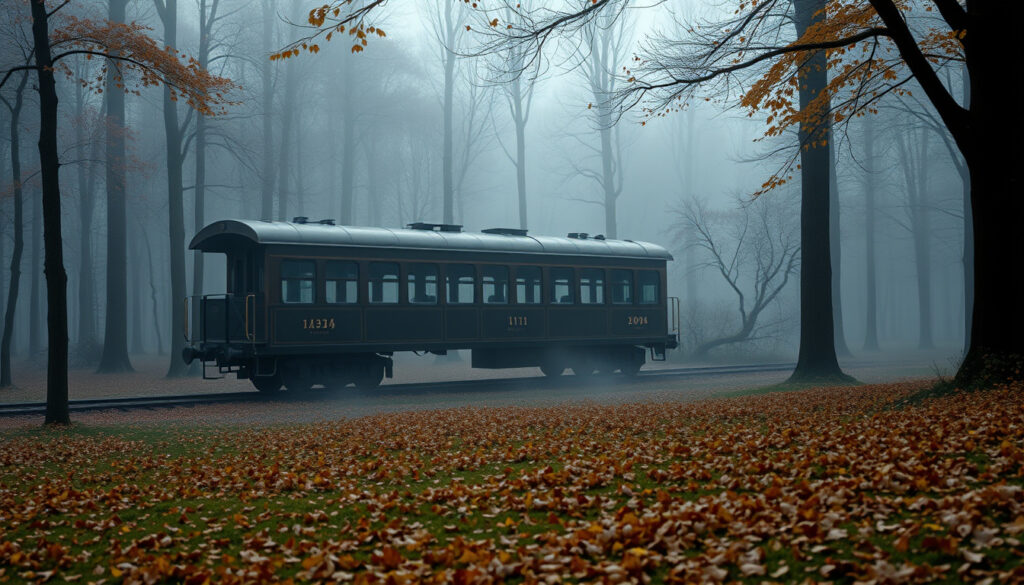
When Did WW1 End? Exact Armistice Date, Time & Facts
Ask most people when World War I ended and they’ll say November 11, 1918—11am, the famous moment the guns fell silent. What many don’t realize is that the armistice was a temporary ceasefire agreement signed hours earlier, and fighting continued in some theaters right up until the eleventh hour. The actual peace treaty wasn’t signed until 1919. Here’s what the primary sources actually show.
Armistice Signed: November 11, 1918 ·
Exact Time: 5:45 a.m. (signing) ·
Hostilities Cease: 11:00 a.m. ·
Treaty Date: June 28, 1919 ·
Duration: 4 years, 3 months, 14 days
Quick snapshot
- Armistice effective 11am Nov 11, 1918 (UK Government History Blog)
- Treaty of Versailles signed June 28, 1919 (Sky HISTORY)
- Armistice renewed four times before treaty (UK Government History Blog)
- Exact minute final shots were fired
- Precise casualty counts after 11am cease-fire
- Entente signed separate armistices with Bulgaria (Sep 29), Ottomans (Oct 30), Austro-Hungary (Nov 3) before the German agreement
- Treaty ratifications completed by 1920
- Allied occupation of Rhineland followed
What time did the guns fall silent?
The popular image shows a perfectly timed cessation of hostilities at the eleventh hour of the eleventh day of the eleventh month. The reality, according to official records, is more complicated.
The armistice was agreed at 5:10am on November 11, 1918, and signed at 5:45am in a railway carriage in the Compiègne Forest, northern France (Sky HISTORY). The fighting, however, was supposed to continue until 11:00am to give commanders time to relay the news and for units to receive the order (UK Government History Blog).
The 11 a.m. armistice moment
The 11am timing was deliberate. The Allied Supreme Command, led by Marshal Ferdinand Foch, insisted on a midday halt so the news could reach all units across multiple time zones before fighting stopped. According to academic research, the delay also allowed both sides to bring their arrangements into effect in an orderly fashion rather than leaving units in mid-battle.
The very symbol of peace—the 11am moment—came after the most dangerous window. Soldiers who knew an armistice was imminent sometimes pushed forward aggressively in those final hours, believing they had one last chance to improve their position.
Reports of continued fighting
Despite the agreed timing, messages took time to reach frontline units. Some engagements continued after 11am in isolated areas where couriers hadn’t yet arrived. According to accounts from British units, several soldiers were killed in the final minutes before the cease-fire took effect.
When did WW1 start and end and why?
World War I began on July 28, 1914, when Austria-Hungary declared war on Serbia following the assassination of Archduke Franz Ferdinand in Sarajevo. The conflict lasted 4 years, 3 months, and 14 days until hostilities ceased on November 11, 1918.
Start date and triggers
The alliance system pulled major powers into the conflict rapidly. Germany backed Austria-Hungary; Russia mobilized to support Serbia; Germany then declared war on Russia and France. When German forces invaded Belgium on August 4, 1914, Britain entered the war.
End via armistice terms
The German surrender came after four years of attritional warfare had depleted the Central Powers’ resources. By autumn 1918, Germany faced simultaneous collapses: its allies Bulgaria, the Ottoman Empire, and Austria-Hungary had all signed separate armistice agreements with the Entente (UK Government History Blog). With no allies remaining and its armies in retreat, Germany had little choice but to negotiate.
The staggered armistice agreements show WWI didn’t end simultaneously everywhere. The eastern and southern theaters wound down weeks before the western front. The November 11 date marks the moment Germany stopped fighting, not when all conflict ceased globally.
Why did WW1 end at 11am?
The 11am timing wasn’t arbitrary—it was the product of Allied strategic calculation and Marshal Foch’s insistence on a specific window.
Symbolic timing choice
The “eleventh hour of the eleventh day of the eleventh month” became enormously symbolic after the war, leading to the establishment of Remembrance Day ceremonies. However, contemporary documents show the choice was pragmatic first and symbolic second.
11/11/11 significance
The Allied command needed a delay between signing and cessation to allow orderly withdrawal of forces, prevention of last-minute atrocities, and coordination across fronts that spanned multiple countries. The 11am choice gave approximately five hours from signing at 5:45am.
When did WW1 end and start?
The war spanned from July 28, 1914, to November 11, 1918—a period of 4 years, 3 months, and 14 days. But historians distinguish between the military end (armistice) and the legal end (peace treaty).
Precise timeline
The table below shows the key dates separating the military ceasefire from the formal peace settlement.
| Date | Event |
|---|---|
| July 28, 1914 | WWI begins with Austria-Hungary declaration |
| November 11, 1918, 5:10am | Armistice terms agreed |
| November 11, 1918, 5:45am | Armistice signed in Compiègne carriage |
| November 11, 1918, 11:00am | Hostilities cease |
| June 28, 1919 | Treaty of Versailles signed |
| 1920 | Treaty ratifications complete |
Gap to WW2
The Treaty of Versailles, signed in June 1919, imposed harsh terms on Germany that many historians argue laid groundwork for the political instability leading to World War II. The interwar period lasted approximately 20 years and 11 months.
Who actually won the First World War?
The Allies—known collectively as the Entente Powers—won the First World War. The coalition included France, the British Empire, Russia (until 1917), Italy (from 1915), and the United States (from 1917), among others.
Entente Powers victory
The Entente’s victory came through attrition and the collapse of Germany’s alliance system. By the armistice, German forces had been pushed back from occupied France and Belgium, though not fully defeated on German territory.
German defeat terms
The armistice required Germany to surrender substantial territory, naval vessels, and military equipment. The subsequent Treaty of Versailles required Germany to accept blame (“war guilt”), pay reparations, and reduce its army to 100,000 men.
The armistice was initially intended as a 36-day ceasefire that could be renewed. It was renewed four times before the Treaty of Versailles was finalized (UK Government History Blog). This means formal warfare was technically suspended, not concluded, for nearly eight months.
Confirmed facts
- Armistice effective 11am Nov 11, 1918
- Treaty signed June 28, 1919
- Armistice renewed four times before treaty
- Entente signed separate armistices with Bulgaria, Ottomans, Austro-Hungary before Germany
What’s unclear
- Exact minute of final shots fired
- Precise casualty counts post-11am
“The war will end. The men will come home. We shall have a great celebration, but it will not be the end. There will be another war if we do not make a peace that will last.”
— Ferdinand Foch, Supreme Allied Commander, on the 1919 Treaty negotiations
“The Allied Powers have been obliged to furnish categorical guarantees of the execution of the treaty. They cannot rely upon word of mouth or the signature of a government which has already broken its word twice.”
— Georges Clemenceau, French Prime Minister, defending Versailles terms
Related reading: Vietnam War timeline
Frequently asked questions
What is Armistice Day?
Armistice Day, observed on November 11, commemorates the moment hostilities ceased in World War I. It evolved into a broader memorial for all military personnel killed in combat, observed in many countries including the United Kingdom, France, Belgium, and Commonwealth nations.
Did WW1 end exactly on November 11?
The armistice took effect at 11am on November 11, 1918, but the war’s legal end came with the Treaty of Versailles on June 28, 1919. Fighting in some theaters had already ceased earlier due to separate armistice agreements with Germany’s allies.
Why was the armistice signed in a railcar?
The signing took place in a railway carriage in the Forest of Compiègne, France, reportedly chosen for its neutrality and the privacy it offered. The same carriage was later used by Hitler for the 1940 armistice with France—a deliberate symbolic reversal.
How many died after the armistice was signed?
Soldiers continued dying after the 5:45am signing but before 11am, when the cease-fire took effect. Reports suggest dozens of casualties in those final hours, though precise figures remain disputed due to the chaos of the final moments.
When was the Treaty of Versailles?
The Treaty of Versailles was signed on June 28, 1919, exactly five years after the assassination of Archduke Franz Ferdinand that triggered the war. It formally ended Germany’s participation in WWI and imposed the peace terms.
Was WW1 truly over in 1918?
Armed conflict with Germany ceased on November 11, 1918, but the armistice was renewable every 36 days and was renewed four times before the treaty. The war existed in a legal twilight until June 1919, with German forces remaining in some occupied territories under supervision.
What ended fighting in all theaters?
The staggered collapse of Germany’s allies ended fighting progressively: Bulgaria (September 29, 1918), Ottoman Empire (October 30), Austria-Hungary (November 3), then Germany (November 11). By the time the armistice took effect, most Entente attention had shifted to negotiating the post-war settlement.
More related posts
 Home for the Holidays (1995): Cast, Streaming & Trivia
 Hands-Free Breast Pump Guide: Worth It & Best Picks
 How to Clean Hearing Aids, Dentures & Appliances
 Marion County Property Appraiser: Free Ownership Lookup
 Twitter Rate Limit Exceeded: How to Fix It & What It Means
 Paradise (2025) Episodes: Season 1 Guide & Updates
 Chicago Cubs vs Milwaukee Brewers Matches: Scores, Stats, H2H
 My Melody and Kuromi: Guide to Series, Characters & Myths