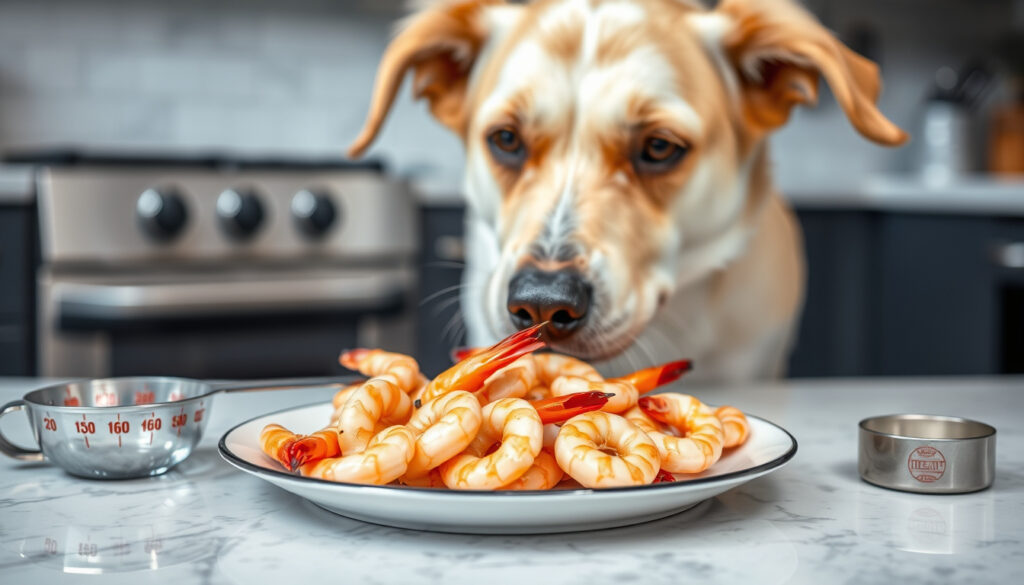
Can Dogs Eat Shrimp? Safety, Portions & Risks
You’re standing in the kitchen, peeling shrimp for dinner, and your dog’s eyes are locked on you. It’s a familiar scene, and the question is natural: can dogs eat shrimp? The short answer is yes, but only if it’s plain, fully cooked, and served in strict moderation.
Safe Serving Size (small dog): 1 partial piece per day · Safe Serving Size (large dog): 1–2 whole pieces per day · Must Cook?: Yes, fully cooked (boiled/steamed)
Quick snapshot
- Plain cooked shrimp is safe in small portions (American Kennel Club)
- Raw shrimp can carry Salmonella and Vibrio bacteria (PetMD)
- Shrimp shells and tails pose choking hazards (American Kennel Club)
- Exactly how common shrimp allergies are in dogs is not well documented (American Kennel Club)
- Long-term effects of regular shrimp feeding are not studied (American Kennel Club)
- Signs of distress may appear within hours if shrimp is spoiled or seasoned
- Choking or blockage symptoms can occur immediately after swallowing shells
- Start with a partial piece and monitor for 24 hours
- If any vomiting, diarrhea, or swelling occurs, contact your veterinarian
Six key facts, one pattern: safe feeding depends entirely on preparation and portion, not the shrimp itself.
| Fact | Value |
|---|---|
| Safe Cooking Method | Boil or steam, no seasoning, no oil |
| Maximum Pieces (small dog) | 1 partial piece per day |
| Maximum Pieces (large dog) | 1–2 whole pieces per day |
| Toxic Seafood Examples | Raw fish, high-mercury fish (tuna), raw shellfish |
| Choking Hazards | Shrimp tails, shells, heads |
| Bloat (GDV) Risk Factor | Overeating any treat raises risk |
The implication: the table above makes clear that safe shrimp feeding is a matter of strict rules, not guesswork.
Is Cooked Shrimp Safe for Dogs?
Safe preparation methods
- Boil or steam shrimp without salt, spices, butter, or oil (American Kennel Club).
- Remove the shell, tail, and vein before serving (Pawlicy).
- Cut into bite-sized pieces to prevent choking (The Pets Table Blog).
MetLife Pet Insurance calls steamed shrimp the best option for dogs (MetLife Pet Insurance).
Risks of raw or undercooked shrimp
- Raw shrimp may contain Salmonella, Vibrio, and parasites (PetMD).
- These pathogens can cause vomiting, diarrhea, and foodborne illness in dogs.
- Adopt a Pet warns that raw shrimp should never be offered (Adopt a Pet).
The catch: the shrimp itself isn’t the problem—it’s how you prepare it. One wrong ingredient and the treat becomes a vet visit.
How Much Shrimp Can a Dog Have?
Portion guidelines for small dogs
- Small dogs under 20 pounds: 1 partial piece per day (American Kennel Club).
- Introduce with a tiny bite and watch for reactions.
Portion guidelines for medium/large dogs
- Medium to large dogs: 1–2 whole pieces per day (American Kennel Club).
- Shrimp should not exceed 10% of the dog’s daily food intake (Four Leaf Rover).
- Overfeeding raises the risk of pancreatitis (MetLife Pet Insurance).
The pattern: portion is a function of body weight, not appetite. A Great Dane can handle two pieces; a Chihuahua should get a bite no bigger than a pea.
What Parts of Shrimp Are Safe? Tails, Shells, Heads
Can dogs eat shrimp tails?
- Shrimp tails are a choking hazard and can cause intestinal obstructions (American Kennel Club).
- Do not feed tails to any dog, especially small breeds.
Can dogs eat shrimp shells?
- Shells are sharp and can puncture the gastrointestinal tract.
- MetLife Pet Insurance warns that shells can cause obstructions (MetLife Pet Insurance).
Can dogs eat shrimp heads?
- Heads may contain bacteria, especially if raw.
- Always discard heads before serving.
The catch: only the peeled, cooked tail meat is recommended. Anything else is a risk with no nutritional upside.
What Seafood Should Dogs Avoid?
Fish high in mercury
- Avoid tuna, king mackerel, swordfish, and tilefish (Adopt a Pet).
- Mercury buildup can cause neurological damage.
Shellfish risks
- Raw shellfish (oysters, clams, mussels) can carry Vibrio bacteria.
- Even cooked shellfish must be shell-free to avoid choking.
Raw fish concerns
- Raw fish may contain parasites and Salmonella (PetMD).
- Cook all fish thoroughly before feeding.
Why this matters: shrimp is one of the safer seafood options if prepared correctly, but many other fish and shellfish carry higher risks.
What Meats Are Toxic to Dogs?
Three meats dogs should avoid
- Processed meats (bacon, ham, sausage) – high salt and fat content (American Kennel Club).
- Raw or undercooked meat – risk of Salmonella and E. coli (PetMD).
- Fatty meats – can trigger pancreatitis.
Five foods toxic to dogs
- Chocolate, grapes/raisins, onions, garlic, xylitol (Wisdom Panel).
- Xylitol is found in sugar-free gum, peanut butter, and some baked goods.
The trade-off: shrimp is a low‑fat, low‑calorie treat, but if your dog has a history of pancreatitis, even the small amount of fat in shrimp can be problematic.
What Is the Silent Killer of Dogs?
Bloat (GDV) symptoms and prevention
- Bloat (gastric dilatation-volvulus) is a life‑threatening emergency (American Kennel Club).
- Symptoms: unproductive retching, distended abdomen, restlessness.
- Prevention: slow eating, avoid exercise after meals, don’t overfeed treats.
Other hidden dangers
- Overfeeding any treat, including shrimp, raises bloat risk in deep‑chested breeds.
- Shrimp itself doesn’t cause bloat, but gulping large pieces can contribute.
For owners of Great Danes, German Shepherds, and other deep‑chested breeds, the risk is real. One overeager shrimp snack can turn into an emergency.
Upsides
- High‑protein, low‑fat treat
- Contains omega‑3 fatty acids and astaxanthin
- Low in calories compared to many commercial treats
Downsides
- Choking hazard from shells and tails
- Pancreatitis risk if overfed
- Allergies possible (though rare)
- Improper preparation (fried, seasoned) negates benefits
How to Safely Prepare Shrimp for Your Dog
- Buy raw, unseasoned shrimp (fresh or frozen).
- Thaw and peel off the shell, tail, and head. Remove the dark vein.
- Boil or steam the shrimp until pink and firm. No salt, no spices, no oil.
- Let cool, then cut into bite‑sized pieces.
- Serve one piece as a trial. Wait 24 hours to check for reactions.
- If no issues, stick to the recommended portion size.
The catch: the same steps work for any dog, but small breeds need the pieces cut extra small.
If your dog grabs a shrimp shell from the trash, watch for vomiting, straining, or a swollen belly. These signs mean a possible obstruction and require immediate veterinary care.
Confirmed Facts and What’s Still Unclear
Confirmed facts
- Plain cooked shrimp is safe for most dogs in small portions.
- Raw shrimp can carry Salmonella and Vibrio.
- Shells and tails are choking hazards.
- Overfeeding can cause pancreatitis.
What’s unclear
- Exact allergic reaction rates in dogs are undocumented.
- Long‑term effects of regular shrimp feeding are unknown.
The gap: most advice comes from expert consensus, not large‑scale studies. That doesn’t make it wrong, but owners with sensitive dogs should proceed cautiously.
“One or two pieces of shrimp are usually enough for most dogs.”
— American Kennel Club
“Dogs should only eat cooked shrimp.”
— PetMD
For the owner of a healthy, medium‑sized dog, shrimp is a safe occasional treat. For a puppy, a dog with pancreatitis, or a deep‑chested breed prone to bloat, the risk‑reward calculation shifts. The choice is clear: prepare it plain, watch the portion, and when in doubt, skip it.
For another popular treat, check out our peanut butter safety guidelines to ensure you’re feeding your dog safely.
Frequently asked questions
Can dogs eat shrimp every day?
No. Shrimp should be an occasional treat, not a daily staple. Overfeeding can cause digestive upset or pancreatitis.
Can dogs eat shrimp with garlic?
No. Garlic is toxic to dogs and can cause anemia. Always serve shrimp plain.
Can dogs eat shrimp fried in butter?
No. Fried, buttered, or seasoned shrimp is not healthy for dogs due to high fat and sodium content.
Can puppies eat shrimp?
Puppies can eat a small piece of plain cooked shrimp as a treat, but their main diet should be balanced puppy food.
Can dogs eat dried shrimp?
Dried shrimp may be high in salt and preservatives. Check the label; avoid if seasoned or salted.
What should I do if my dog ate shrimp shells?
Watch for choking, vomiting, or constipation. If symptoms appear or the dog seems distressed, contact your vet immediately.
Is shrimp good for dogs with pancreatitis?
No. Even plain shrimp contains enough fat to trigger a flare‑up in dogs with pancreatitis. Avoid.
More related posts
 When Did WW1 End? Exact Armistice Date, Time & Facts
 Movies in Theaters Near Me: Dublin Showtimes & Prices
 ICE Ends Bond Hearings: Policy Change, Impact, Legal Challenges
 Cole Love Is Blind: What Happened to Cole? Therapy Update
 Can Dogs Eat Fish? Safe Types, Risks & Preparation Guide
 Honest Kitchen Dog Food Review: Do Vets Recommend It?
 Sugar Free Ice Cream – Best Brands, Recipes and Keto Guide
 Cookies and Cream Ice Cream: Origin, Recipe, Health