How to Clean a Mattress – Baking Soda & Vinegar Guide
A clean mattress contributes directly to better sleep quality and overall bedroom hygiene. Over time, mattresses accumulate body oils, dead skin cells, sweat, and occasional spills or accidents that standard sheet washing cannot address. This guide covers proven methods for refreshing and deep cleaning a mattress using common household ingredients, with special attention to pet urine stains and memory foam care.
Whether dealing with everyday maintenance or specific staining issues, most cleaning can be accomplished with items already available in a kitchen pantry. The approach differs slightly depending on mattress type and the nature of the stain, but the core principles remain consistent: act quickly, use appropriate cleaners, and ensure thorough drying to prevent mold and odor recurrence.
Professional mattress cleaning services exist for situations that exceed what home methods can handle, though many common issues respond well to DIY treatment. Understanding the right techniques for different scenarios helps avoid damaging sensitive materials while effectively removing stains and odors.
How to Clean a Mattress with Baking Soda
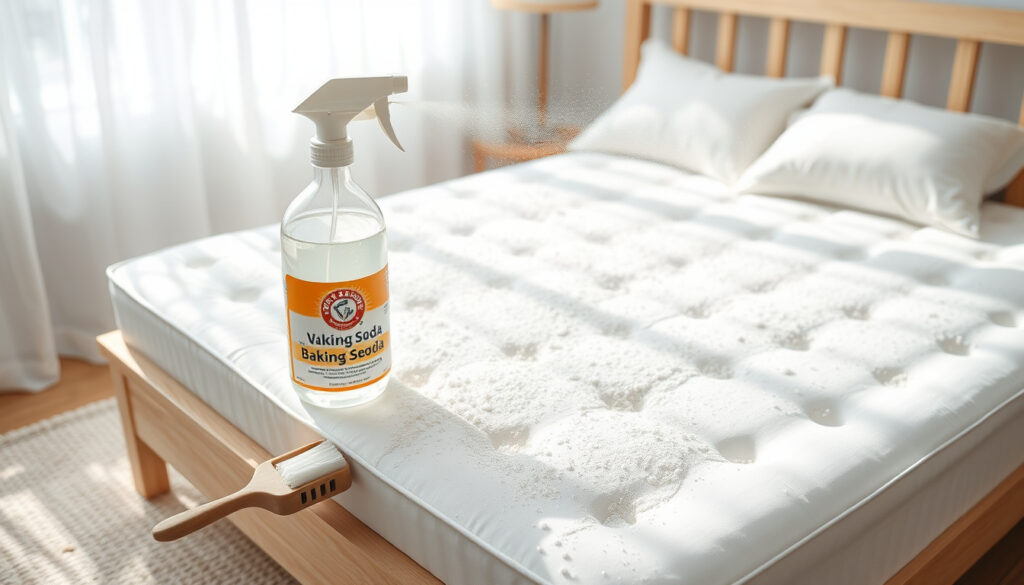
Baking soda serves as one of the most accessible and effective agents for mattress cleaning. Its mild alkaline properties help neutralize acids in bodily fluids and odors, while its absorbent nature draws out moisture trapped deep within mattress layers. The Guardian recommends a light spray of diluted white vinegar followed by a layer of baking soda as a standard approach for general mattress refreshment.
Sprinkle generously, wait 8+ hours, brush off by hand
Equal parts vinegar and water, spray and blot repeatedly
Vinegar solution first, then baking soda for stubborn odors
Minimal moisture, blot don’t rub, air dry completely
Key Insights for Effective Mattress Cleaning
- Diluted white vinegar works well for breaking down organic stains and neutralizing odors naturally
- Baking soda absorbs both moisture and smells, making it ideal for routine mattress maintenance
- Rubbing stains often pushes liquids deeper into mattress layers; blotting preserves surface integrity
- 70% isopropyl alcohol removes oil-based residues but requires careful handling due to flammability
- Over-wetting memory foam can cause structural damage and promote mold growth
- Quarterly deep cleaning extends mattress lifespan and maintains sleep surface hygiene
- Waterproof mattress protectors significantly reduce the frequency of deep cleaning needed
Essential Supplies for Mattress Cleaning
| Supply | Primary Use | Source |
|---|---|---|
| Baking soda | Odor absorption and moisture drawing | Guardian, NYT Wirecutter |
| Distilled white vinegar | Stain lifting and disinfection | Sleep Foundation, Purple |
| Clean cloths or paper towels | Blotting excess liquid | General practice |
| Spray bottle | Applying cleaning solutions evenly | General practice |
| Soft brush or toothbrush | Gently working in cleaning agents | Sleep Foundation |
| 70% isopropyl alcohol | Oil and grease removal | Stack Exchange |
| Hydrogen peroxide | Stubborn pet stains and whitening | Ergoflex |
| Dish soap (mild) | Cutting through oily residues | NYT Wirecutter |
How to Clean a Mattress That Has Been Peed On
Urine stains on mattresses require prompt attention regardless of whether the source is human or animal. The uric acid in urine crystallizes as it dries, making older stains progressively more difficult to remove. According to Sleep Foundation guidance, acting on fresh stains immediately provides the best chance of complete removal without lingering odor.
Initial Response to Urine Accidents
The first step involves removing all bedding immediately and laundering it separately. Adding baking soda and vinegar to the wash cycle helps eliminate residual odor from fabric surfaces. While bedding takes a machine cycle, attention turns to the mattress itself.
Fresh urine should be blotted with clean towels or paper towels, pressing firmly without rubbing. Memory foam absorbs liquids rapidly, and working the stain only spreads it across a larger area. Multiple applications of dry material may be necessary to draw out as much moisture as possible before applying any cleaning solution.
Using Vinegar Solution for Urine Stains
A solution of equal parts distilled white vinegar and cold water addresses urine stains effectively. The acetic acid in vinegar breaks down uric acid while disinfecting the surface and neutralizing odor compounds. For pet urine specifically, adding a single drop of mild dish soap helps cut through the fatty components common in animal waste.
The solution applies via spray bottle, lightly coating the stained area. According to Purple’s cleaning guide, the treated area should sit for 5 to 15 minutes for fresh stains, or up to 30 minutes for older, dried stains. This dwell time allows the acid to work on the crystallized deposits before blotting begins.
The longer urine sits untreated, the more deeply it penetrates mattress layers. Stains older than 24 hours may require multiple treatment rounds before odor fully resolves. Enzyme-based cleaners become more necessary as stains age.
How to Deep Clean a Mattress at Home
Deep cleaning differs from routine maintenance by addressing accumulated debris, embedded stains, and persistent odors that surface cleaning cannot fully eliminate. The process works equally well whether or not a vacuum cleaner is available, though alternatives require more manual effort and patience.
Working Without a Vacuum Cleaner
Households without vacuum cleaners or those preferring not to use one on their mattress can achieve comparable results through additional steps. The key difference lies in how baking soda gets removed after its absorption period. Instead of vacuuming, the dried powder gets swept off with a soft brush, wiped away with a dry cloth, or shaken out by beating the mattress gently over a balcony or large bin.
This hand-removal method takes longer than vacuuming but proves equally effective for eliminating the spent baking soda. Ergoflex notes that thorough air drying afterward remains essential regardless of the powder removal method chosen.
Drying Considerations for Deep Cleaning
Proper drying prevents the mold and mildew that can develop when moisture remains trapped in mattress layers. After cleaning, propping the mattress upright against a wall with fans circulating air accelerates drying time. Sunlight exposure helps but is not always practical or available.
Full drying typically requires 4 to 8 hours depending on humidity levels and air circulation. Touching the cleaned area confirms no dampness remains before replacing bedding. Skipping this step risks trapping residual moisture that compromises mattress integrity over time.
For severe staining or mattresses that have absorbed significant liquid, professional cleaning services have industrial equipment that extracts more moisture than home methods allow. Searching for a Cleaning Company Near Me connects users with local options, though many situations resolve adequately with home treatment.
How to Clean a Memory Foam Mattress
Memory foam requires gentler treatment than traditional innerspring mattresses. The material compresses under pressure to conform to body shape, but this same structure makes it particularly prone to absorbing liquids and retaining odors. Harsh chemicals and excessive moisture damage memory foam’s cell structure, reducing its supportive properties.
Understanding Memory Foam’s Porous Structure
Memory foam contains open cells designed to redistribute weight across the sleeping surface. These same cells readily absorb liquid when spills or accidents occur. Unlike surface-level staining on harder materials, contamination reaches deep into memory foam layers, requiring treatment that allows cleaning agents to penetrate rather than simply sitting on top.
The porous nature explains why dog urine presents particular challenges on memory foam. Parklane Jewelry’s guide emphasizes that the material holds odors deeply due to this structure, making thorough treatment even more important than on other mattress types.
Heat-Sensitive Considerations
Memory foam softens with heat, which means certain cleaning approaches require caution. Direct application of heat sources like irons can melt or warp the foam surface. The NYT Wirecutter recommends avoiding heat-based stain removal methods on foam materials and sticking to room-temperature cleaning solutions instead.
For stubborn stains on memory foam, hydrogen peroxide provides an alternative to heat application. Mixing a quarter cup of hydrogen peroxide with a drop of dish soap and drizzling the solution over a baking soda layer creates a foaming action that helps lift embedded stains. Blotting after 15 minutes removes the solution before it dries.
Bleach and harsh chemical cleaners damage memory foam cell structure and can create respiratory irritation for sleepers. Steam cleaning saturates foam layers beyond what practical home drying can address. Any iron-based method risks permanent damage through heat exposure.
Step-by-Step Deep Clean Process
A comprehensive mattress cleaning follows a logical sequence that maximizes stain removal while minimizing risk to the mattress materials. Each step builds on the previous one, addressing different aspects of the contamination.
- Remove bedding immediately and launder separately with added baking soda and vinegar for odor control in the fabric
- Blot fresh or excess urine with clean towels or paper towels, pressing firmly without rubbing to absorb moisture before it penetrates deeply
- Prepare vinegar solution by mixing equal parts distilled white vinegar and cold water, adding one drop of dish soap for pet urine
- Spray and soak the stain lightly, allowing the solution to sit for 5 to 15 minutes (up to 30 for dried stains)
- Blot thoroughly using clean, dry cloths, repeating the spray-blot cycle 2 to 3 times until no yellowing remains
- Apply baking soda generously over the damp area, letting it sit for 8 hours or overnight for maximum absorption
- Remove baking soda by hand using a soft brush, dry cloth, or by beating the mattress to shake out residue
- Air dry completely by propping the mattress upright with fan circulation, checking that no dampness remains before use
- Inspect and repeat if any odor or staining persists, considering enzyme cleaners for persistent pet urine
Established Information and Areas of Uncertainty
| What Is Well Established | What Remains Less Clear |
|---|---|
| Baking soda and vinegar are safe and effective for most mattress cleaning scenarios | The iron method carries risk of heat damage to memory foam; evidence suggests avoiding it rather than attempting it |
| Immediate treatment of fresh stains provides better outcomes than delayed response | Optimal frequency for deep cleaning varies based on usage patterns and whether protectors are used |
| Memory foam requires minimal moisture and gentle handling to prevent damage | Long-term effects of repeated deep cleaning on mattress lifespan lack comprehensive studies |
| Enzyme cleaners outperform vinegar for aged pet urine specifically | Precise effectiveness comparisons between different enzyme brands remain largely anecdotal |
| Isopropyl alcohol effectively removes oil-based residues but requires careful handling | Whether alcohol application affects mattress fire retardant treatments is not well documented |
Why Regular Mattress Cleaning Matters
Mattresses accumulate surprising quantities of biological material during normal use. Body oils, sweat, dead skin cells, and dust mites create hygiene concerns that washing sheets alone cannot address. The Guardian reports that these accumulations contribute to allergic reactions and unpleasant odors that gradually intensify without periodic deep cleaning.
Beyond hygiene considerations, maintaining a clean mattress protects the investment made in sleep quality. A mattress represents a significant household purchase, and routine care extends its functional lifespan. Quarterly deep cleaning represents a reasonable minimum frequency for most households, though higher traffic or accident-prone situations may require more frequent attention.
Different mattress materials respond differently to various cleaning approaches. Innerspring mattresses tolerate more aggressive treatment, while foam varieties demand gentler methods. Memory foam specifically requires low-moisture techniques and extended drying periods to prevent internal damage that might not become apparent until months later.
Expert Sources and Recommendations
“A light spray of diluted white vinegar followed by a layer of baking soda represents one of the most accessible approaches to routine mattress maintenance.”
— The Guardian, How to Clean a Mattress Guide
“Essential supplies for mattress cleaning include baking soda, distilled white vinegar, mild dish soap, and clean absorbent cloths for blotting.”
— NYT Wirecutter, Mattress Cleaning Guide
These sources represent established home cleaning expertise and professional product review perspectives respectively. Combining insights from both provides a balanced approach that prioritizes practical accessibility while maintaining effectiveness standards.
Summary
Cleaning a mattress effectively requires understanding the specific challenges presented by different stain types and mattress materials. The baking soda and vinegar method provides an accessible starting point that handles routine maintenance and many common stains without specialized equipment. For urine accidents, particularly from pets, vinegar’s acidity breaks down problematic compounds while baking soda absorbs residual moisture and odors.
Memory foam mattresses demand gentler treatment with minimal moisture and extended drying periods, but the same core principles apply. Acting quickly on fresh stains, using appropriate cleaning agents, and ensuring complete drying prevent long-term damage and persistent odors. For those preferring professional assistance, locating a Cleaning Company Near Me search connects users with local options when situations exceed home treatment capabilities.
How to clean a mattress with an iron?
Heat-based methods like irons are not recommended for memory foam mattresses as heat can melt or warp the foam surface. For other mattress types, testing on an inconspicuous area first remains essential before attempting any heat application.
What are the best mattress cleaner products?
Baking soda, distilled white vinegar, mild dish soap, and enzyme-based cleaners represent the most effective household and commercial options. For routine maintenance, baking soda and vinegar handle most situations adequately.
How to clean a mattress with baking soda and vinegar?
Mix equal parts vinegar and water in a spray bottle, apply to the surface and let sit briefly, blot thoroughly with clean cloths, then sprinkle baking soda generously over the damp area. Allow the baking soda to sit for 8 or more hours before removing by hand or vacuum.
Does baking soda remove stains from a mattress?
Baking soda effectively absorbs odors and moisture but works best as a follow-up treatment after stain removal. Its absorbent properties draw out remaining contamination and moisture left behind after primary cleaning.
How often should a mattress be deep cleaned?
Quarterly deep cleaning represents a recommended minimum for most households. Those with pets, young children, or individuals with allergies may benefit from more frequent attention to maintain optimal sleep surface hygiene.
More related posts
 Health Insurance Deductible: What It Is & How It Works
 Kansas City Chiefs vs Buffalo Bills: Fines, Controversy & 2025
 O Brother, Where Art Thou?: Plot, Cast, Odyssey Basis & More
 Best iPhone 16 Pro Case 2026: Drop-Proof & Worth It
 Nashville SC vs Inter Miami: Rivalry, Messi & Tickets
 How Old Is William Shatner? Age, Birth Date, and Life Milestones
 How Many Yards in a Mile? 1,760 Yards and Key Conversions
 FC Barcelona vs Real Madrid Lineups – Official 2026 Super Cup XIs