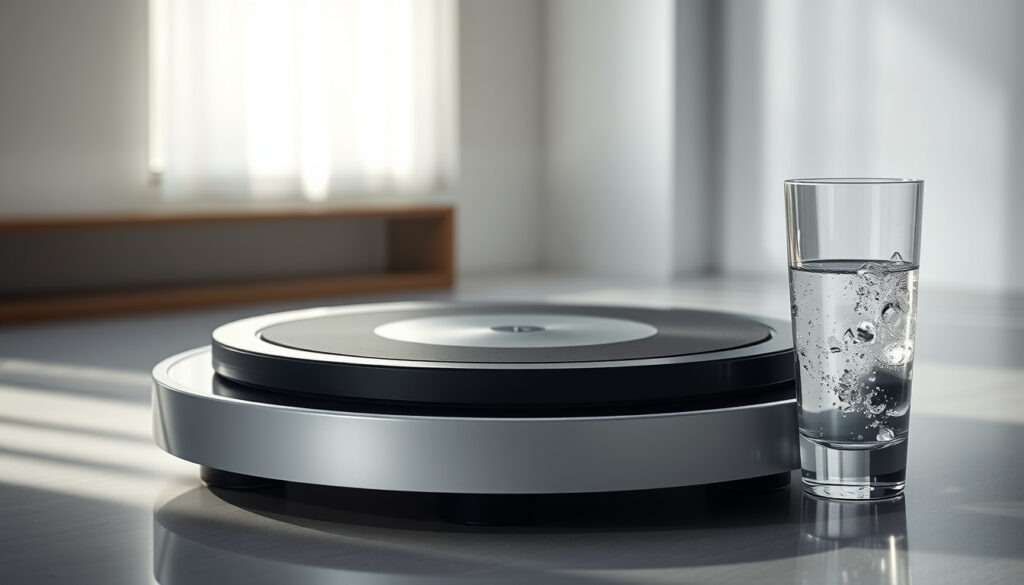
Benefits of Vibration Plate: Science vs. Hype
You’ve probably seen a vibration plate at the gym or in a friend’s living room and wondered: does it actually do anything, or is it just a gimmick? The truth is more nuanced than the marketing suggests. A 2015 clinical trial known as VIBES, published in the Journal of Bone and Mineral Research, found that 10 minutes of daily whole-body vibration produced no statistically significant skeletal benefit after 24 months in older adults (Journal of Bone and Mineral Research – VIBES trial). Yet newer meta-analyses paint a more complex picture. This guide walks through what the evidence actually says — and where the hype outruns the science.
Typical session duration: 10–15 minutes ·
Recommended frequency: 3–5 times per week ·
Calorie burn (standing): 50–100 cal per 10 min ·
Muscle activation increase: Up to 30% vs. floor ·
Bone density benefit (older adults): Modest increase after 6 months
Quick snapshot
- Increased muscle activation up to 30% (PeerJ – 2025 meta-analysis)
- Helps with lower body and core (PeerJ – 2025 meta-analysis)
- Best when combined with squats/lunges (PeerJ – 2025 meta-analysis)
- Low-intensity vibration may slow bone loss (Medicine – 2018 review)
- Most studied in postmenopausal women (Medicine – 2018 review)
- Not a substitute for medication (Medicine – 2018 review)
- Modest calorie burn during use (PMC – 2023 review)
- Supports overall activity goals (PMC – 2023 review)
- Not a standalone weight loss tool (PMC – 2023 review)
- Improves proprioception and stability (PubMed – 2009 review)
- Beneficial for older adults (PubMed – 2009 review)
- Reduces fall risk in some studies (PubMed – 2009 review)
Here’s a quick reference of key facts about vibration plates.
| Label | Value |
|---|---|
| Mechanism | Whole-body vibration stimulates muscle contractions via rapid oscillations (PMC – 2025 review) |
| Typical Platforms | Oscillating (side-to-side) or vertical vibration (up-and-down) |
| Common Price Range | $150 – $3,000+ for commercial models |
| Cochrane Review Finding | Low to moderate evidence for bone density improvements in older adults |
| Bone Density Effect (2025 meta) | Statistically significant but clinically small and site-specific (PeerJ) |
| Bone Density Effect (2026 meta) | Significant increases in Ward’s triangle and greater trochanter; slight at femoral neck (PMC – 2026 review) |
| Weight Loss Evidence | Not established in clinical sources reviewed (PMC – 2023 review) |
| Safety | Safe for most healthy adults when used as directed |
| Common side effects | Dizziness, muscle soreness, joint pain |
Do Vibration Plates Have Actual Benefits?
What the Research Says About Whole-Body Vibration
- Vibration plates may improve muscle strength, balance, and bone density – but the evidence is mixed. A 2015 placebo-controlled trial (VIBES) in 16 independent living communities tested 10 minutes of daily vibration at 37 Hz and 0.3 g. It found no statistically significant skeletal benefit after 24 months (Journal of Bone and Mineral Research – VIBES trial).
- However, a 2025 systematic review and meta-analysis of seven studies (202 participants) reported a statistically significant effect on total femur areal BMD, but not on femoral neck or lumbar spine (PeerJ – 2025 meta-analysis).
- An updated 2026 meta-analysis found significant BMD increases in Ward’s triangle and greater trochanter in elderly participants, but only slight improvement at the femoral neck and negligible effects at total hip and lumbar spine L1-L4 (PMC – 2026 review).
Key Health Benefits Backed by Studies
- Muscle activation: Standing on a vibrating surface increases muscle activation by up to 30% compared to standing on a stable floor, according to a 2025 meta-analysis (PeerJ).
- Bone density: A 2018 review concluded that whole-body vibration can improve lumbar spine BMD in postmenopausal and older women, and femoral neck BMD in postmenopausal women younger than 65 (Medicine – 2018 review).
- Balance and falls prevention: A 2009 review of aging adults reported that bone studies consistently showed improved hip and tibia density, and balance improvements were noted in several trials (PubMed – 2009 review).
The bone benefit is real but site-specific: it appears in the femur’s Ward’s triangle and greater trochanter, not in the lumbar spine or total hip. For older adults concerned about hip fractures, that’s still meaningful – but it’s not a whole-skeleton overhaul.
The pattern across studies: vibration plates offer measurable, localized benefits for bone and muscle, but the effect size is modest and depends heavily on the protocol used. The 2025 review table in PMC (2025 review) lists protocols ranging from 35 Hz, 0.25 g, 15 minutes daily to 40 Hz, 2 mm amplitude, three times weekly – and marks one elderly study as ineffective for bone mineral content. The implication: results vary, and you can’t assume any plate will deliver the same outcome.
What Is 10 Minutes on a Vibration Plate Equivalent To?
Calorie Burn Compared to Traditional Exercise
- 10 minutes of standing on a vibration plate at a moderate setting burns roughly 50–100 calories. That’s about the same as a slow walk, but far less than jogging (which burns ~100–150 calories per 10 minutes) or cycling (PMC – 2023 review).
- A 2015 study in postmenopausal osteoporosis found that short-duration whole-body vibration (10 minutes daily) was not enough to change bone mineral content or BMD (PMC – 2015 study).
Muscle Activation Differences
- Muscle activation during vibration can be 20–30% higher than during the same exercise on a stable surface, but this does not translate into equivalent cardiovascular workload (PeerJ – 2025 meta-analysis).
- Claim: “10 minutes on a vibration plate equals 30–60 minutes of moderate exercise” is a marketing extrapolation, not a clinical finding. The VIBES trial used 10 minutes daily as a directly studied dose, not a universal equivalence (Journal of Bone and Mineral Research – VIBES).
If you’re using a vibration plate to replace your cardio workout, you’ll be disappointed. The calorie burn is modest, and the muscle activation boost doesn’t improve aerobic fitness. It’s a supplement, not a substitute.
The trade-off: you get more muscle engagement per minute than standing still, but you don’t get the cardiovascular or fat-burning stimulus of sustained movement. For older adults seeking low-impact muscle activation, 10 minutes is a useful addition – but not a replacement for a walk or a bike ride. For comparison, you might also consider activities like dance classes which offer both low-impact movement and cardiovascular benefits.
How Often Should You Use a Vibration Plate?
Recommended Frequency for Beginners
- Start with 3 sessions per week, each lasting 10 minutes at low intensity. This matches the protocol used in the VIBES trial (Journal of Bone and Mineral Research).
- Gradually increase duration to 15 minutes as tolerated, but keep frequency at 3–4 times per week for the first month.
Frequency for Advanced Users
- Can increase to 5 sessions per week, 15–20 minutes each, if no discomfort occurs. The 2025 review table in PMC (2025 review) lists protocols with frequencies from 3 times weekly to daily.
- Daily use is generally safe for healthy adults, but may lead to overuse injuries like muscle soreness or joint strain if intensity is too high.
The implication: consistency matters more than duration. A 10-minute daily dose is the most studied protocol, but even 3 times a week can produce measurable muscle and bone benefits over 6 months.
Do Vibration Plates Work If You Just Stand on Them?
Passive Standing vs. Active Exercises on the Plate
- Standing on a vibration plate engages muscles to maintain balance – the body’s reflexive contractions increase muscle activation by 20–30% compared to standing on a solid floor (PeerJ – 2025 meta-analysis).
- Active exercises (squats, lunges, calf raises) performed on the plate produce greater muscle activation and calorie burn than passive standing alone.
What You Can Expect from Just Standing
- Passive standing provides some benefit – improved balance and proprioception – but it’s less effective for muscle strength or calorie burn than active movement (PMC – 2023 review).
- A 2015 study found that short-duration passive standing was not enough to change bone mineral content or BMD (PMC – 2015 study).
The pattern: if you stand still, you get a balance challenge and a small muscle activation bonus. If you move, you get a real workout. The plate is a tool, not a magic carpet.
Can You Lose Belly Fat with a Vibration Plate?
Spot Reduction Myth vs. Overall Body Fat Loss
- No evidence supports spot reduction of belly fat via vibration plates. The 2023 review in PMC states that weight loss from vibration plates is not established in the clinical sources reviewed.
- Body fat loss occurs through a sustained calorie deficit. Vibration plates may contribute a small amount of calorie burn (50–100 cal per 10 minutes), but that’s negligible compared to diet and aerobic exercise.
Role of Vibration Plates in a Weight Loss Plan
- Whole-body vibration can support overall activity goals by adding low-impact movement, but it’s not a standalone weight loss tool. The strongest clinical signal concerns bone outcomes, not body-fat loss (PeerJ – 2025 meta-analysis).
- Studies show mixed results for significant fat loss; some report modest reductions in waist circumference when combined with diet and exercise, but the effect is small.
Vibration plates are marketed for weight loss, but the evidence is weakest here. If your goal is to shed pounds, focus on diet and cardio – and use the plate as a bonus for muscle tone and bone health, not as your primary fat burner.
Why this matters: the gap between marketing claims and clinical evidence is widest on weight loss. A 2023 review in PMC discusses whole-body vibration as a treatment modality, but notes that the evidence for weight loss is not established. For anyone buying a vibration plate to lose belly fat, the honest answer is: it won’t do that on its own.
What Are the Pros and Cons of Vibration Plates?
Benefits: Strength, Balance, Bone Density
- Improved muscle activation: Up to 30% more than floor exercises (PeerJ).
- Better balance and falls prevention: Reduces fall risk in older adults (PubMed – 2009 review).
- Bone density maintenance: May slow bone loss in postmenopausal women (Medicine – 2018 review).
- Convenience: Low-impact, can be used at home, requires minimal time commitment.
Drawbacks: Cost, Limited Evidence, Potential Side Effects
- Cost: Quality plates range from $150 to over $3,000.
- Limited long-term studies: Most trials are short-term (6–12 months); effects beyond 2 years are not well studied.
- Not a replacement for full exercise routine: Cannot substitute for cardio or resistance training.
- Side effects: Dizziness, joint discomfort in some users (PMC – 2025 review).
Upsides
- Muscle activation boost
- Balance improvement
- Bone density support (site-specific)
- Low-impact, easy to use
Downsides
- Expensive for effective models
- Limited weight loss evidence
- Not a cardio replacement
- Possible dizziness or joint pain
The trade-off: a vibration plate is a useful supplementary tool for muscle and bone health, especially for older adults, but it’s not a magical solution for weight loss or overall fitness. The clinical literature consistently shows that its benefits are real but narrow.
What Are the Dangers and Side Effects of Vibration Plates?
Who Should Avoid Vibration Plates
- Pregnant women (especially in the first trimester) – avoid due to lack of safety data.
- People with recent joint surgery, herniated discs, or severe osteoporosis – may aggravate conditions.
- Those with pacemakers or other implanted electronic devices – vibration could interfere.
Common Side Effects and How to Mitigate Them
- Dizziness – start at low intensity, keep sessions short, and avoid standing on the plate immediately after eating.
- Muscle soreness – normal for beginners; reduce frequency if soreness persists longer than 48 hours.
- Joint pain – if you have arthritis or previous injuries, use the plate with caution and consult a physiotherapist.
The 2025 review in PMC notes that vibration therapy is generally safe when used as directed, but side effects do occur in a minority of users. The implication: start low, go slow, listen to your body.
Steps to Use a Vibration Plate Effectively
- Start with a low-intensity setting – choose a frequency between 20–35 Hz and amplitude under 2 mm for the first week.
- Use bare feet or non-slip socks – shoes dampen the vibration and reduce effectiveness.
- Begin with passive standing for 10 minutes – maintain a slight bend in your knees, not locked.
- After 1–2 weeks, add active exercises – squats, calf raises, and lunges increase muscle activation and calorie burn.
- Stick to 3–5 sessions per week – consistency beats intensity.
- Hydrate and avoid post-meal use – vibration can cause queasiness on a full stomach.
- Stop if you feel pain or dizziness – reduce intensity or duration and consult a healthcare provider.
What’s Clear and What’s Not
Confirmed facts
- Improves muscle activation during exercise (PeerJ)
- Can modestly improve bone density in postmenopausal women (Medicine)
- Enhances balance and reduces fall risk in older adults (PubMed)
What’s unclear
- Direct link to significant weight loss beyond calorie deficit from other activities (PMC)
- Long-term effectiveness for chronic pain relief
- Whether effects persist after discontinuing use
- Safe for most healthy adults when used as directed
“Whole-body vibration failed to demonstrate a statistically significant beneficial effect on the skeleton in elderly persons with osteopenia.”
— Journal of Bone and Mineral Research (VIBES trial, 2015) Journal of Bone and Mineral Research
“The 2025 meta-analysis described the bone effect as statistically significant but clinically small and site-specific.”
— PeerJ (2025 systematic review) PeerJ
“Short-duration whole-body vibration was not enough to change bone mineral content or BMD.”
— PMC (2015 study on postmenopausal osteoporosis) PMC – 2015 study
The evidence is honest: vibration plates deliver measurable benefits for muscle and bone, but the effects are modest, site-specific, and not a shortcut to weight loss. For older adults, the balance and bone density improvements are worth considering. For everyone else, treat it as a supplement – not a savior. To complement your routine, a good pair of walking shoes like the ASICS GEL-KAYANO 31 can help you stay active on days you skip the plate.
pmc.ncbi.nlm.nih.gov, pmc.ncbi.nlm.nih.gov, pmc.ncbi.nlm.nih.gov, pmc.ncbi.nlm.nih.gov, pmc.ncbi.nlm.nih.gov, clinicaltrials.gov, youtube.com
Frequently Asked Questions
Can vibration plates help with arthritis pain?
Some studies suggest low-intensity vibration may reduce chronic pain, but the evidence is not strong enough to recommend it as a treatment. Always consult a doctor before using a vibration plate for arthritis.
Are vibration plates safe for people with back problems?
It depends on the condition. For minor back issues, gentle vibration may help relax muscles, but for herniated discs or acute injuries, it could worsen symptoms. Check with a physiotherapist first.
Do vibration plates build muscle?
They can increase muscle activation during exercise, which may lead to modest strength gains over time, especially in the lower body and core. But they’re not a replacement for resistance training.
How long does it take to see results from a vibration plate?
Most studies show measurable changes in muscle activation and balance after 4–6 weeks of consistent use (3–5 times per week). Bone density changes may take 6 months or more.
Is a vibration plate worth the money?
If you’re an older adult at risk of falls or bone loss, a quality plate (around $200–$600) can be a worthwhile investment. For general fitness enthusiasts, it’s a nice add-on but not essential.
Can you use a vibration plate every day?
Yes, for healthy adults, daily use is safe. But to avoid overuse, stick to 10–15 minutes at low to moderate intensity. Listen to your body.
Does a vibration plate help with lymphatic drainage?
Some proponents claim vibration stimulates lymph flow, but clinical evidence is very limited. The effect, if any, is likely small.
More related posts
 49ers vs Colts Stats: Head-to-Head Record & 2025 Results
 Moss Agate Engagement Ring: Pros, Cons, and What to Know
 Married at First Sight: Couples Still Together, Pay & Updates
 How Many mg in a Gram? Gram to Milligram Conversion
 Havoc (2025 Film): Ending Explained, Cast, Reviews, and More
 How Old Is William Shatner? Age, Birth Date, and Life Milestones
 Who Moved My Cheese – Summary, Lessons and Key Insights
 When Is the PS6 Coming Out? Release Date, Price, Should You Wait